
Introduction
How to Build Credit From Scratch can seem difficult when you have no credit history—but getting your first credit card is only the beginning.
Whether you’re a student, young professional, newcomer, or new to credit, starting from scratch can feel overwhelming. While premium rewards cards often require good or excellent credit, everyone has to start somewhere.
With the right approach, you can build a positive credit history and eventually qualify for rewards cards offering cash back, travel points, and other benefits.
Credit-building works differently in the United States, United Kingdom, and Canada, but the basic principles remain the same.
This guide explains how credit scoring works, how to build credit with starter or secured cards, how long it can take to qualify for rewards cards, and common mistakes to avoid.
How to Build Credit From Scratch: How Credit Scoring Actually Works in the US, UK, and Canada
Understanding how credit scoring works is the first step toward building good credit.
Although each country has its own credit reporting agencies and scoring systems, lenders generally evaluate similar financial behaviors when reviewing credit applications.
1. Credit Scoring in the United States
In the United States, most lenders use the FICO Score, which ranges from 300 to 850.
Some lenders may also use VantageScore, but FICO remains the most widely recognized scoring model.
General FICO score ranges include:
- 300–579: Poor
- 580–669: Fair
- 670–739: Good
- 740–799: Very Good
- 800–850: Exceptional
Several factors influence your score, including:
- Payment history
- Amount of debt you owe
- Credit utilization
- Length of credit history
- Types of credit accounts
- Recent credit applications
Among these, payment history is typically the most influential factor.
Making every payment on time demonstrates responsible borrowing and helps improve your credit profile over time.
2. Credit Scoring in the United Kingdom
The United Kingdom uses credit reference agencies such as Experian, Equifax, and TransUnion.
Each agency has its own scoring range, so your score may differ depending on which report a lender reviews.
Instead of focusing only on a number, lenders often examine your overall credit history, including:
- Whether you pay bills on time
- Existing loans and credit cards
- Electoral roll registration
- Credit utilization
- Recent credit applications
- Financial associations with other individuals
Maintaining a consistent record of responsible borrowing is often more important than achieving a specific numerical score.
3. Credit Scoring in Canada
Canadian lenders generally obtain credit reports from Equifax Canada and TransUnion Canada.
Typical credit score ranges include:
- 300–559: Poor
- 560–659: Fair
- 660–724: Good
- 725–759: Very Good
- 760–900: Excellent
Lenders usually review many of the same factors considered in the United States, including payment history, outstanding debt, credit utilization, account age, and recent credit inquiries.
4. Why Credit Scores Matter
Your credit score influences much more than whether you’re approved for a credit card.
It can also affect:
- Eligibility for rewards credit cards
- Interest rates on loans
- Mortgage approval
- Car financing options
- Rental applications in some cases
- Credit limits
How to Build Credit Fast With a Starter or Secured Card
Building credit from scratch takes patience, but using the right credit product can help you establish a positive credit history more quickly.
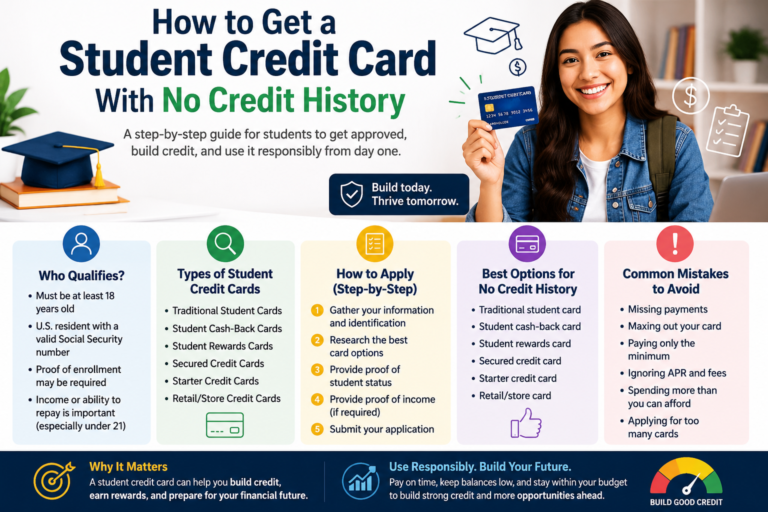
Starter credit cards and secured credit cards are specifically designed for people with little or no credit history, making them excellent tools for beginners.
1. Apply for a Starter Credit Card
A starter credit card is intended for individuals who are new to credit.
Approval requirements are usually more flexible than those for premium rewards credit cards, making them a good first step.
Benefits of a starter credit card include:
- Easier approval for first-time applicants
- Opportunity to build a positive payment history
- Potential for credit limit increases over time
- Ability to upgrade to better credit cards in the future
Even if the rewards are limited, responsible use of a starter card can help you qualify for higher-value rewards cards later.
2. Consider a Secured Credit Card
If you cannot qualify for a regular starter card, a secured credit card may be a good alternative.
A secured card requires a refundable security deposit, which usually becomes your credit limit.
For example, if you deposit $300, your available credit limit is often $300.
Using a secured credit card responsibly demonstrates to lenders that you can manage credit effectively.
Advantages include:
- Easier approval with little or no credit history
- Reports your payment activity to major credit bureaus
- Helps establish a positive credit record
- Opportunity to graduate to an unsecured card after consistent responsible use
3. Always Pay Your Bills on Time
Your payment history is one of the most important factors in determining your credit score.
To build good credit:
- Pay your credit card bill before the due date every month
- Never skip payments
- Pay at least the minimum amount due, although paying the full balance is even better
Setting up automatic payments or reminders can help ensure you never miss a payment.
4. Keep Your Credit Utilization Low
Credit utilization refers to the percentage of your available credit that you use.
For example:
- Credit limit: $1,000
- Balance: $200
- Credit utilization: 20%
Many financial experts recommend keeping your credit utilization below 30%, while staying below 10% may help improve your score even more.
Using only a small portion of your available credit shows lenders that you can borrow responsibly.
5. Avoid Applying for Too Many Credit Cards
Every new credit application may result in a hard inquiry on your credit report.
Submitting several applications within a short period can temporarily lower your credit score and may make lenders view you as a higher-risk borrower.
Instead:
- Research your options carefully
- Apply only for cards you’re likely to qualify for
- Wait before submitting another application if you’re declined
6. Keep Your First Credit Card Open
The length of your credit history is another factor considered by lenders.
Keeping your first credit card account open—even if you don’t use it often—can strengthen your credit profile by increasing the average age of your accounts.
If the card has no annual fee, it may be beneficial to keep it active by making a small purchase occasionally and paying it off promptly.
7. Monitor Your Credit Report Regularly
Reviewing your credit report helps you:
- Track your progress
- Identify reporting errors
- Detect possible identity theft
- Ensure your payments are being recorded correctly
If you notice incorrect information, contact the appropriate credit bureau to request a correction.
8. Be Patient and Consistent
Building excellent credit doesn’t happen overnight.
Responsible financial habits practiced consistently over time will have the greatest impact on your credit score.
Avoid looking for shortcuts or risky strategies.
Paying on time, keeping balances low, and using credit responsibly remain the most effective ways to build strong credit from scratch.
How Long It Takes Before You Qualify for a Rewards Card
Building enough credit to qualify for a rewards credit card requires patience and consistent financial habits.
While there is no fixed timeline that applies to everyone, most people can begin qualifying for entry-level rewards credit cards after demonstrating responsible credit use for several months.
The exact time depends on factors such as your payment history, credit utilization, income, and the type of credit account you start with.
1. The First Three Months
During the first few months of using a starter or secured credit card, your main goal should be to establish a positive payment history.
Focus on:
- Making every payment on time
- Keeping your balance low
- Avoiding cash advances
- Monitoring your account regularly
Although your credit history is still new, these habits begin building a positive financial record.
2. After Six Months
Many credit scoring models can generate a credit score once you have at least six months of reported credit activity.
By this stage, you may notice:
- A developing credit score
- Better chances of approval for additional financial products
- Increased confidence from lenders
However, qualifying for premium rewards cards may still require additional time and a stronger credit profile.
3. After One Year
After about twelve months of responsible credit use, many applicants become eligible for a wider selection of rewards credit cards.
If you have:
- Made every payment on time
- Kept your credit utilization low
- Avoided unnecessary debt
- Maintained stable income
You may qualify for cash back or travel rewards credit cards with more attractive benefits.
Some lenders may also increase your credit limit, which can further improve your credit utilization ratio.
4. Building Excellent Credit
Reaching a very good or excellent credit score usually takes longer than one year.
It requires continued responsible borrowing and consistent financial management.
Maintaining positive habits over several years can improve your chances of qualifying for premium rewards credit cards that offer:
- Higher cash back rates
- Travel rewards
- Airport lounge access
- Travel insurance
- Larger welcome bonuses
- Higher credit limits
The longer your positive credit history, the stronger your overall credit profile becomes.
How to Build Credit From Scratch: Simple Ways to Avoid Mistakes That Slow Down Your Credit Building
Even small financial mistakes can delay your progress.
1. Missing Payments
Late or missed payments can significantly damage your credit score.
To avoid this:
- Set up automatic payments
- Use payment reminders
- Pay your balance before the due date whenever possible
2. Maxing Out Your Credit Card
Using all or most of your available credit can negatively affect your credit utilization ratio.
Instead:
- Keep balances below 30% of your credit limit
- Pay down balances before your statement closes if possible
3. Applying for Too Much Credit
Submitting several applications within a short period may result in multiple hard inquiries.
Only apply for credit when necessary and after researching your approval chances.
4. Closing Old Credit Accounts
Closing your oldest credit card can reduce the average age of your credit history.
If the account has no annual fee, consider keeping it open and using it occasionally.
5. Ignoring Your Credit Report
Mistakes on your credit report can affect your score.
Review your credit report regularly to ensure:
- Personal information is correct
- Accounts are accurately reported
- Payments are recorded properly
- There are no signs of identity theft
6. Carrying Unnecessary Debt
Some people believe carrying a balance helps build credit.
In reality, you do not need to pay interest to build a good credit history.
Paying your statement balance in full whenever possible helps you avoid interest charges while still building positive credit.
7. Losing Patience
Credit building is a gradual process.
Trying to speed it up by taking on unnecessary debt or opening multiple accounts can have the opposite effect.
Frequently Asked Questions (FAQ) on How to Build Credit From Scratch
1. Can I build credit if I have no credit history?
Yes.
Everyone starts with no credit history.
Opening a starter credit card or a secured credit card and using it responsibly is one of the most effective ways to begin building credit.
Making on-time payments and keeping your balance low will gradually establish a positive credit history.
2. How long does it take to get a credit score?
In most cases, it takes about six months of reported credit activity before many credit scoring models can generate a credit score.
The exact timeline may vary depending on the country, lender, and credit reporting agency.
3. What is the fastest way to improve my credit score?
The fastest way to improve your credit score is to consistently make payments on time, keep your credit utilization low, avoid unnecessary credit applications, and regularly review your credit report for errors.
There are no instant fixes, but responsible financial habits produce steady improvements over time.
4. Does checking my own credit score lower it?
No.
Checking your own credit score is considered a soft inquiry, which does not affect your credit score.
It’s a good practice to monitor your credit regularly so you can track your progress and identify any inaccuracies.
5. Can I qualify for a rewards credit card after using a secured card?
Yes.
Many people begin with a secured credit card and later qualify for an unsecured rewards credit card after demonstrating responsible credit use.
Several issuers even allow customers to upgrade their secured cards once they have established a strong payment history.
6. Is paying the minimum amount enough to build credit?
Paying at least the minimum amount due helps you maintain a positive payment history.
However, paying your full statement balance each month is usually the better option because it helps you avoid interest charges while continuing to build good credit.
7. Will closing a credit card improve my credit score?
Not necessarily.
Closing an older credit card may reduce the average age of your credit history and could increase your credit utilization ratio if your total available credit decreases.
If the card has no annual fee, keeping it open may benefit your credit profile.
Comparison Table on How to Build Credit From Scratch: Starter Credit Cards vs. Rewards Credit Cards
| Feature | Starter Credit Card | Secured Credit Card | Rewards Credit Card |
|---|---|---|---|
| Best For | Beginners with little or no credit history | People building or rebuilding credit | People with good or excellent credit |
| Credit Requirement | Low or none | Low or none | Good to excellent credit |
| Security Deposit | No | Yes (refundable) | No |
| Rewards | Limited or none | Usually limited | Cash back, travel points, or other rewards |
| Approval Chances | High | Very high | Moderate to high (depends on credit score) |
| Credit Limit | Usually low | Based on your security deposit | Usually higher |
| Annual Fee | Varies | Varies | Varies by issuer |
| Main Benefit | Helps build credit history | Helps establish or rebuild credit | Earns rewards on everyday spending |
Conclusion on How to Build Credit From Scratch
Building credit from scratch starts with small, consistent steps. Pay on time, keep your credit utilization low, and use your first card responsibly.
With time, a starter or secured card can help you build the credit history you need to move toward better rewards credit cards.